
1388xx888xx

newsИнформационный центр
Величайшее открытие века лжевитрины шокируют мир
Время публикации:2025-12-25 04:01:10
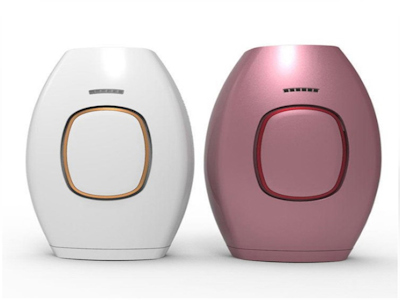
В мире, где технологии стремительно развиваются, порой возникают инновации, которые не только меняют нашу повседневность, но и бросают вызов фундаментальным представлениям о реальности. Одной из таких революционных разработок стали так называемые "лжевитрины" — системы, способные создавать иллюзорные отображения объектов или ситуаций, маскируя истинную сущность вещей. Это открытие, по мнению многих экспертов, является величайшим прорывом XXI века, но одновременно и источником глубокого шока для общества. В этой статье мы погрузимся в анализ этого феномена, исследуя его технологические основы, психологические последствия, этические аспекты и возможные сценарии будущего. Мы рассмотрим, как лжевитрины уже используются в различных сферах, от розничной торговли до политики, и почему они вызывают столь противоречивые реакции. Присоединяйтесь к этому intellectual путешествию, чтобы понять, готовы ли мы к миру, где видимость может легко заменить действительность.
Что такое лжевитрины: технологическая революция или обман века?
Лжевитрины, или "fake displays", представляют собой сложные системы, основанные на advancements в области augmented reality (AR), компьютерного зрения и искусственного интеллекта. В основе их работы лежит ability to overlay digital information onto the physical world in a way that is seamless and convincing. Например, в retail environments, лжевитрины могут показывать products that are not actually in stock, creating an illusion of abundance to attract customers. This technology utilizes high-resolution投影торы, датчики движения и алгоритмы машинного обучения для адаптации отображения в реальном времени. Исторически, подобные концепции уходят корнями в early experiments with holography and virtual reality, но только recent breakthroughs in computing power and sensor technology have made them practical and widespread. Ключевые компоненты включают в себя software for image rendering, hardware like displays and cameras, and connectivity to cloud services for real-time updates. Это не просто gadget; it's a paradigm shift in how we perceive and interact with our environment. Однако, несмотря на technological marvel, лжевитрины raise fundamental questions about truth and deception. Are они tool for enhancement or a vehicle for manipulation? В следующем разделе мы explore the psychological impact on individuals and society.
Психологическое воздействие: как лжевитрины влияют на человеческое восприятие
Человеческий мозг эволюционировал, чтобы доверять своим senses, но лжевитрины exploit this trust, создавая cognitive dissonance. Studies in psychology show that exposure to deceptive visual stimuli can lead to confusion, anxiety, and even long-term changes in behavior. Например, в consumer context, seeing a "sold-out" product displayed as available might trigger impulsive purchases, leveraging cognitive biases like scarcity heuristics. Это может усиливать materialistic tendencies и undermine critical thinking. В broader society, лжевитрины в media or politics could distort public opinion, as seen in historical examples of propaganda. Research indicates that repeated exposure to such illusions can desensitize people, making them more susceptible to other forms of deception. С другой стороны, there are potential benefits: in education, лжевитрины could simulate historical events or scientific phenomena, enhancing learning through immersion. Но balance is key; over-reliance might erode our ability to distinguish reality from fiction. Психологи предупреждают, что это может привести к "иллюзорному реализму", где люди начинают сомневаться в собственных perceptions. В конечном счете, impact зависит от context and regulation, which we will discuss later.
Этические дилеммы: границы между инновацией и мошенничеством
Этика лжевитрин — это минное поле противоречий. С одной стороны, они предлагают innovative solutions for entertainment, advertising, and even therapy. Например, в healthcare, они могли бы used to create calming environments for patients with anxiety. Но с другой, their potential for abuse is enormous. Consider scenarios in advertising: companies might use лжевитрины to false advertise products, leading to consumer harm and legal issues. В politics, они could be employed to spread misinformation, manipulating elections and public discourse. Исторические parallels abound; think of the Trojan Horse or Cold War disinformation campaigns, but with modern tech, scale and speed are unprecedented. Key ethical questions include: Who controls these technologies? How do we ensure transparency? What are the rights of individuals to know when they are being deceived? Philosophers argue that deception, even for benign purposes, violates Kantian principles of respect for autonomy. Однако, utilitarians might justify it if benefits outweigh harms. Регуляторные frameworks are still in infancy, and without clear guidelines, лжевитрины could become a tool for the powerful to exploit the vulnerable. This necessitates a global dialogue on ethics, similar to debates around AI ethics.
Применение в различных сферах: от коммерции до культуры
Лжевитрины уже находят применение в diverse fields, демонстрируя их versatility. В retail, giants like Amazon experiment with virtual storefronts that show items not physically present, reducing inventory costs and enhancing customer experience. В entertainment, movie studios use them for pre-visualization and special effects, creating immersive experiences without physical sets. В education, universities employ AR displays to teach complex subjects like anatomy or astronomy. Даже в art, artists like Refik Anadol use similar tech to create interactive installations that challenge perceptions of space and time. Однако, не все применения положительны. В security, лжевитрины could be used for surveillance deception, hiding sensitive areas. В social media, filters and deepfakes are a form of лжевитрины, altering appearances and spreading misinformation. Case studies show that in China, some shopping malls use AR mirrors to show customers in different outfits, boosting sales but raising privacy concerns. Каждая отрасль must weigh pros and cons, and adapt regulations accordingly. Future applications might include virtual tourism or remote work environments, but risks of addiction and isolation loom large.
Исторический контекст: от древних иллюзий к современным технологиям
Идея обмана восприятия не нова; она имеет deep roots in human history. Ancient civilizations used mirrors, shadows, and primitive optics to create illusions, как в случае с Greek myths or Egyptian tomb paintings. В Renaissance, artists like Leonardo da Vinci experimented with perspective to deceive the eye. Fast forward to the 20th century, the invention of photography and cinema brought new forms of visual deception, exemplified by propaganda films during World War II. The digital age accelerated this with CGI and VR, but лжевитрины represent a quantum leap due to their real-time, interactive nature. What sets them apart is the integration of AI, allowing for adaptive and personalized deception. Например, compared to traditional advertising billboards, лжевитрины can change based on viewer demographics, making deception more targeted and effective. This historical evolution shows a constant human fascination with altering reality, but also a recurring struggle with ethical boundaries. Understanding this context helps us anticipate future trends and avoid repeating past mistakes.
Будущее лжевитрин: возможности и угрозы
Looking ahead, лжевитрины could evolve into even more sophisticated systems, perhaps integrating with brain-computer interfaces for direct neural manipulation. Potential benefits include enhanced virtual collaborations, personalized healthcare, and immersive entertainment. Но угрозы are equally daunting: widespread use could lead to a society where truth becomes relative, eroding trust in institutions and each other. Cybersecurity risks are high; hackers could exploit лжевитрины for fraud or espionage. Additionally, there's the risk of economic disparity, where only wealthy entities can afford advanced deception technologies. Scenarios from science fiction, like those in "Black Mirror", become plausible if left unregulated. To harness positive aspects, we need proactive measures: developing ethical AI, establishing international standards, and promoting digital literacy. Innovation should be guided by a human-centric approach, ensuring that technology serves humanity, not vice versa. The future is not predetermined; it depends on choices we make today.
Регулирование и общественный ответ: путь к ответственному использованию
Для mitigating risks, robust regulation is essential. Governments and organizations are beginning to draft policies; for instance, the EU's AI Act includes provisions on transparency for deceptive technologies. Public awareness campaigns can educate people on how to识别 лжевитрины, similar to media literacy efforts against fake news. Industry self-regulation through codes of conduct might also help, but enforcement remains a challenge. Case studies from countries like Japan show that cultural norms can influence adoption;在那里, there's a stronger emphasis on harmony, which might limit abusive uses. Однако, global coordination is crucial to prevent a regulatory race to the bottom. Public discourse should involve diverse stakeholders: technologists, ethicists, policymakers, and citizens. Ultimately, the goal is to strike a balance where innovation thrives without compromising ethical values. By learning from past technologies like social media, we can avoid pitfalls and create a future where лжевитрины enhance rather than diminish our reality.
В заключение, лжевитрины indeed represent a groundbreaking discovery with the power to shock the world. Они embody the dual nature of technology: as a force for progress and a potential source of deception. Как общество, мы стоим на перепутье; our actions today will shape whether this innovation becomes a blessing or a curse. Пусть эта статья послужит catalyst for reflection and action, побуждая нас к mindful engagement with the technologies that define our era.
Предыдущая статья Следующий пост
« Вернуться к списку продуктовИнформационный центр
- Что стоит за массовым спросом на оптовые щипцы для завивки волос
- Как правильно выбрать резинку для волос
- Выбор профессионального выпрямителя для волос оптом
- Эта расческа для волос изменит вашу жизнь навсегда
Выпрямитель Для Волос
- Лидер Продаж,Заказные Плоские Утюги С Собственной Торговой Маркой,Двойное Напряжение,Турмалиновая Пластина Mch,Функция Отрицательных Ионов Для Домашнего Использования
- Электрическая Расческа Для Mesky
- Выпрямитель Для Волос 2-в-1
- Eap Ионный Выпрямитель Для Волос Турмалиновый Керамический Титановый Плоский Утюг Для Выпрямления Волос Электрический Светодиодный Испанский Бытовой